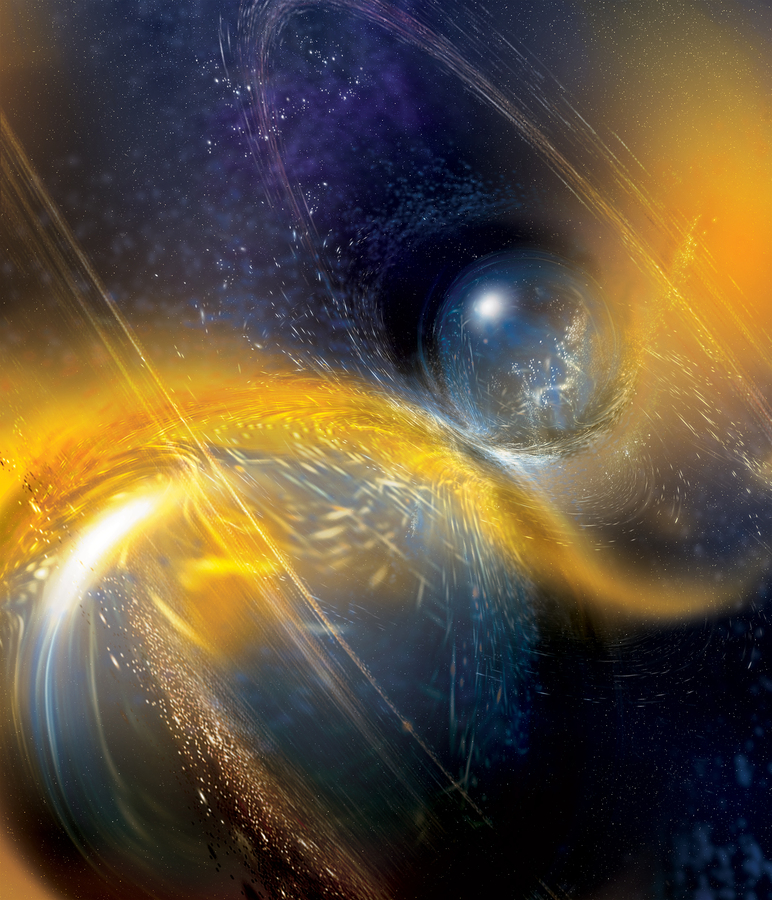
Artist’s impression of the binary neutron star merger observed by LIGO Livingston on April 25, 2019. Image credit: National Science Foundation/LIGO/Sonoma State University/A. Simonnet.
On April 25, 2019 a gravitational wave signal was observed by the gravitational-wave network that includes LIGO (the Laser Interferometer Gravitational-wave Observatory), funded by the National Science Foundation (NSF), and the European Virgo detector. The signal, labelled GW190425, is the first event recorded and published during the third observation run O3. The source is most likely a binary neutron star merger. This would be only the second time this type of event has ever been observed in gravitational waves. However, it shows some important peculiarities: The total mass is larger than that of any known binary star system with neutrons in our galaxy. In addition, no electromagnetic counterpart was observed by the telescopes that gathered the alert sent by the LIGO-Virgo collaboration as it was the case for the first detected neutron star merger in August 2017. On January 6, 2020, the results were presented at the meeting of the American Astronomical Society and are submitted to The Astrophysical Journal Letters. See the full press release here.
The European Consortium for Astroparticle Theory (EuCAPT, https://www.eucapt.org) invites all theoretical astroparticle physicists and cosmologists (PhD students, postdocs, and staff) who are affiliated to a research institution in a European country, to participate in the 1st EuCAPT census by following this link:
This will allow to include you and your institution in the EuCAPT network and mailing list, and to inform you about the exciting programme of scientific meetings, collaborative projects, joint proposals, and outreach activities.
Please help to reach all interested scientists, by spreading this information to your colleagues and group members. You are kindly ask to complete the census questionnaire by January 31, 2020.
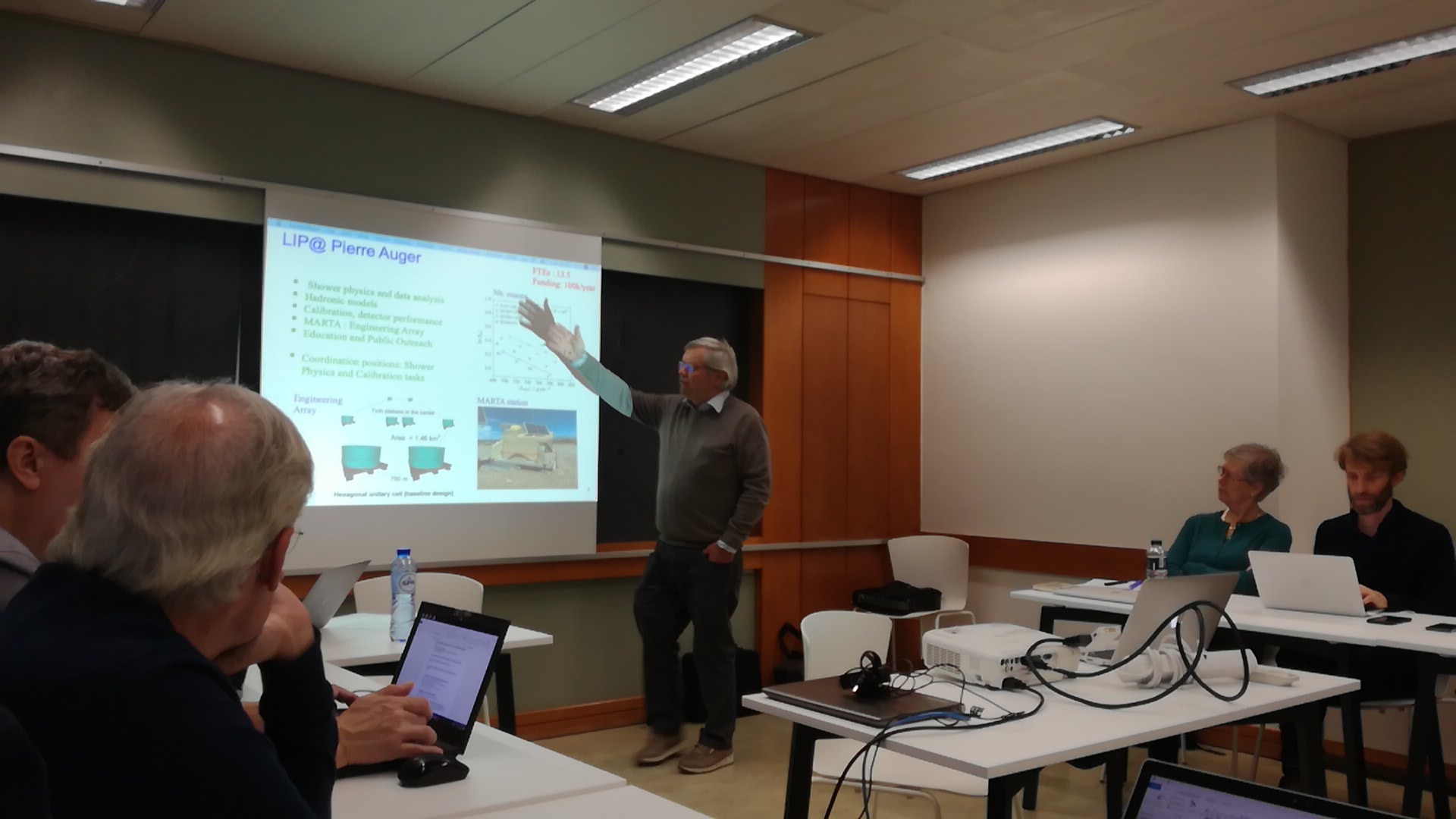
The APPEC General Assembly (GA) came together in Lisbon at the Laboratory of Instrumentation and Experimental Particle Physics (LIP). The meeting started on the evening of 2 December with an excellent dinner, which was already used for first informal discussions. On the next day the APPEC Chair Teresa Montaruli and the local organizer and representative of Portugal, Mario Pimenta welcomed the GA and Pimenta opened the session with an overview on Astroparticle Physics in Portugal. Subsequently, the resumption of Poland participation to APPEC with CAMK representing it was approved by the General Assembly. Prof. Leszek Roszkowski will be the selected representative of Poland in the GA. He informed the Assembly of the excellent European Community financed AstroCENT (https://astrocent.camk.edu.pl), which has the scope of developing dedicated projects in astroparticle physics with the scope to develop innovation at the border between this field, computing, sensor and electronic development and medical applications.
Then the list of discussion points was worked through. It covered
an status report on the European Particle Physics Strategy Update and proposed recommendations,
the proposal towards a more sustainable APPEC,
the organisation of the next Town Meeting,
the proposal of a technology forum of APPEC open to ECFA and NuPECC,
and the progress of the Scientific Advisory Committee.
Regarding the last point we would like to highlight the final report of the Neutrinoless Double Beta Decay sub-committee, see also here.
The time for the meeting was by then almost over and the remaining was used for a report from the Joint Secretary (JS). Unfortunately we had to let one of our JS colleagues go and we would like to take this opportunity to thank Francesca Moglia for her time at APPEC and wish her all the best for her future.
A new instrument mounted atop a telescope in Arizona has aimed its robotic array of 5,000 fiber-optic “eyes” at the night sky to capture the first images showing its unique view of galaxy light.
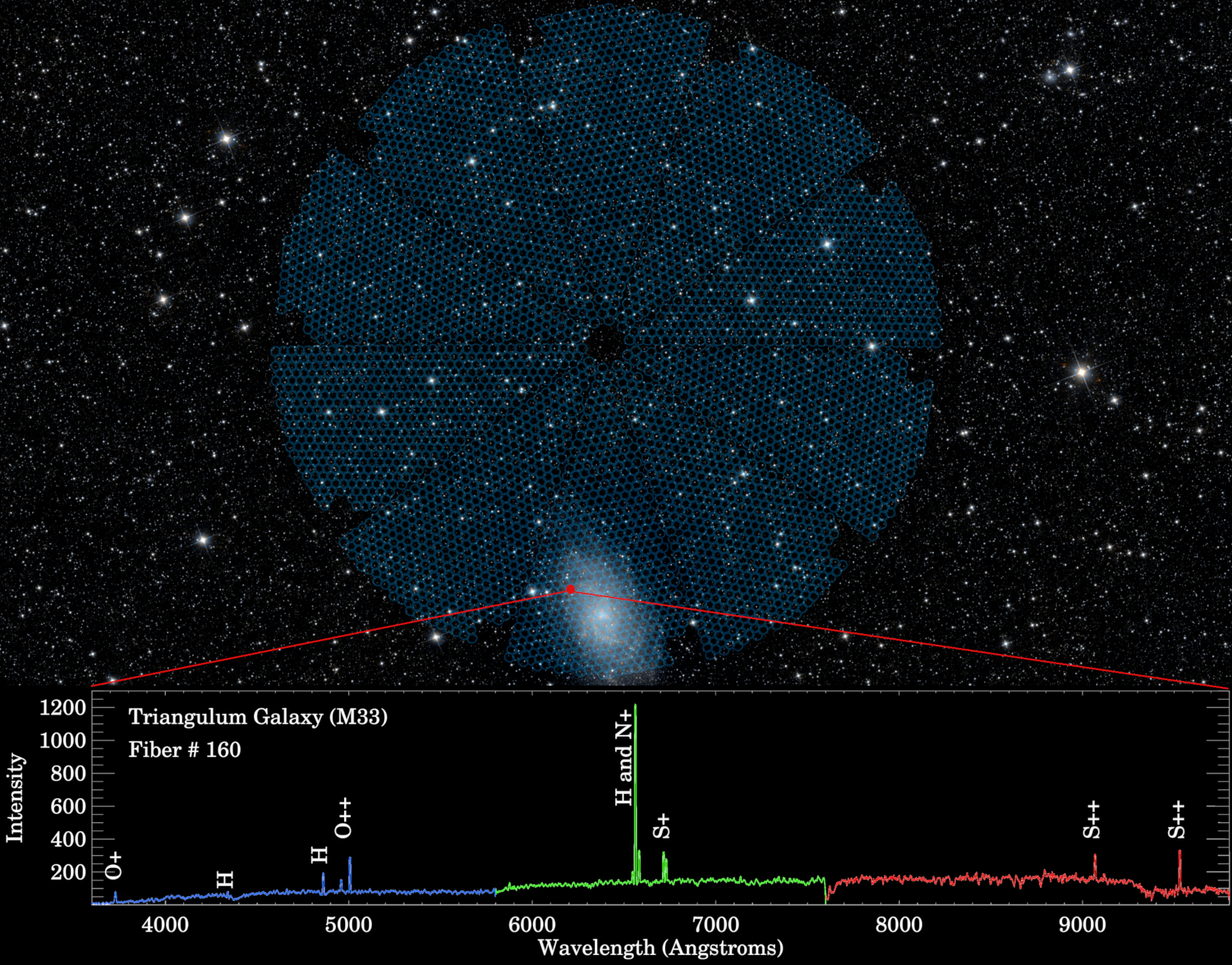
DESI’s 5000 spectroscopic “eyes” can cover an area of sky about 38 times larger than that of the full moon, as seen in this overlay of DESI’s focal plane on the night sky (top). Each one of these robotically controlled eyes can fix a fiber-optic cable on a single object to gather its light. The gathered light collected from a small region in the Triangulum galaxy (bottom) by a single fiber-optic cable (red dot) is split into a spectrum (bottom) that reveals the fingerprints of the elements present in the galaxy and aid in gauging the distance to the galaxy. The test spectrum shown here was collected by DESI on Oct. 22. (Credit: DESI Collaboration; Legacy Surveys; NASA/JPL-Caltech/UCLA)
It was the first test of the Dark Energy Spectroscopic Instrument, known as DESI, with its nearly complete complement of components. The long-awaited instrument is designed to explore the mystery of dark energy, which makes up about 68 percent of the universe and is speeding up its expansion.
DESI’s components are designed to automatically point at preselected sets of galaxies, gather their light, and then split that light into narrow bands of color to precisely map their distance from Earth and gauge how much the universe expanded as this light traveled to Earth. In ideal conditions DESI can cycle through a new set of 5,000 galaxies every 20 minutes.
The latest milestone, achieved Oct. 22, marks the opening of DESI’s final testing toward the formal start of observations in early 2020. Installation of DESI began in February 2018 at the Nicholas U. Mayall Telescope at Kitt Peak National Observatory near Tucson, Arizona. Over the past 18 months, a bevy of DESI components were shipped to the site from institutions around the globe and installed on the telescope.
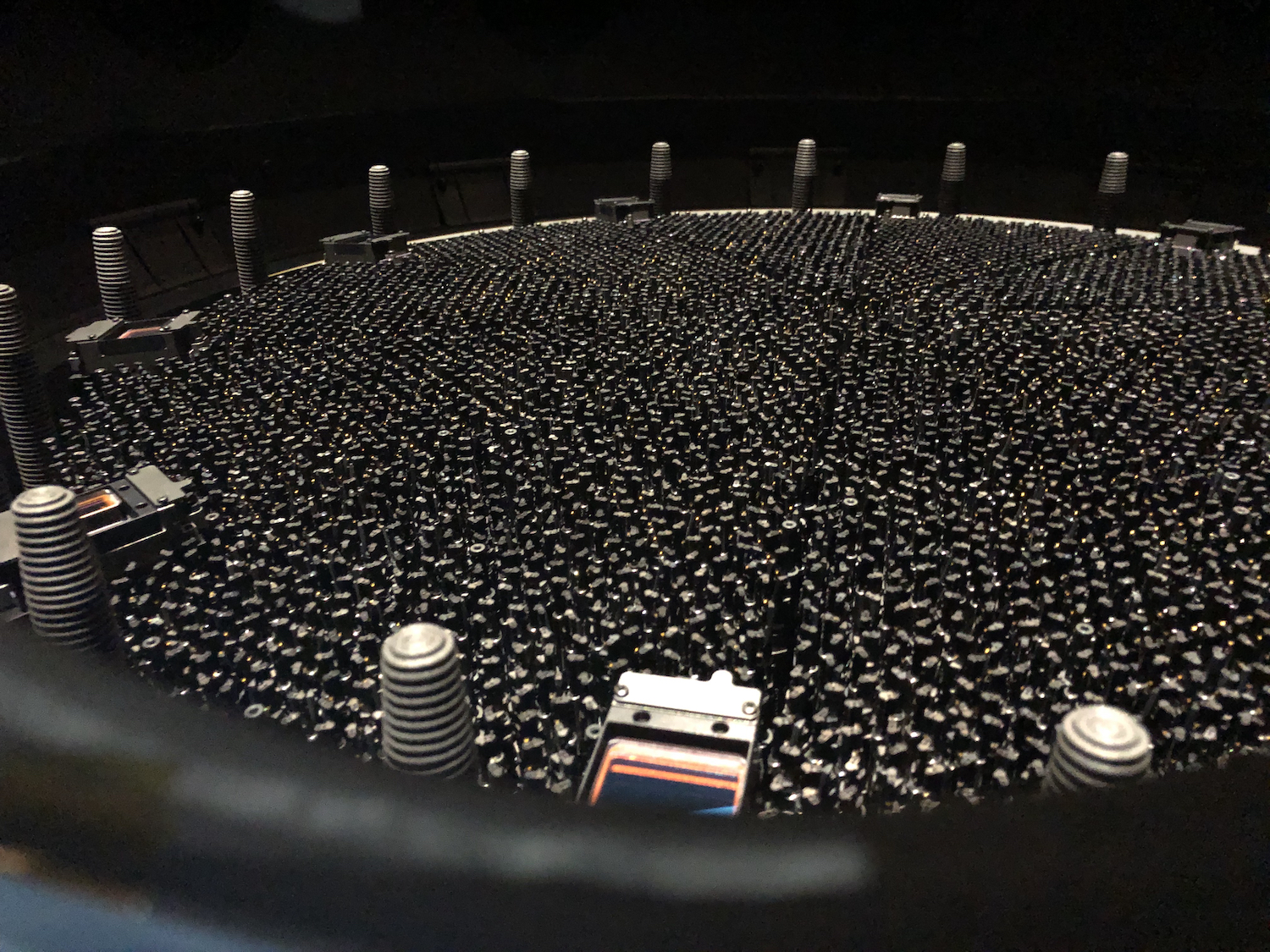
A view of DESI’s fully installed focal plane, which features 5,000 automated robotic positioners, each carrying a fiber-optic cable to gather galaxies’ light. (Credit: DESI Collaboration)
DESI’s focal plane, which carries 5,000 robotic positioners that swivel in a choreographed “dance” to individually focus on galaxies, is at the top of the telescope. These little robots – which each hold a light-gathering fiber-optic cable that is about the average width of a human hair – serve as DESI’s eyes. It takes about 10 seconds for the positioners to swivel to a new sequence of targeted galaxies. With its unprecedented surveying speed, DESI will map over 20 times more objects than any predecessor experiment. The focal plane is fed by corrector optics which provide a 3-degree-diameter field of view. The optical fibers mounted to the positioners extend 50 meters down the telescope to feed 10 broad-band spectrographs, each containing three detectors. The spectrographs cover a spectral range of 360 nanometers (nm) to 980 nm with a resolution of 2,000 to 5,000, enabling DESI to probe redshifts up to 1.7 for emission line galaxies and 3.5 for the lyman-α spectra from quasars.
“This is a very exciting moment,” said Nathalie Palanque-Delabrouille, a DESI spokesperson and an astrophysics researcher at France’s Atomic Energy Commission (CEA) who has participated in the selection process to determine which galaxies and other objects DESI will observe. “The instrument is all there. It has been very exciting to be a part of this from the start,” she said. “This is a very significant advance compared to previous experiments. By looking at objects very far away from us, we can actually map the history of the universe and see what the universe is composed of by looking at very different objects from different eras.”
All this was only possible with substantial contributions to DESI from European partners: The University College London oversaw the optical system of large lenses in the corrector, Durham University the fiber optic system that brings light from the focal plane to the spectrographs. The Aix-Marseille University worked closely with the spectrograph vendor Winlight (in Pertuis, France) to assemble and test the spectrographs, CEA/Saclay provided the system of 30 cryostats for the ultra low-noise sensors inside each spectrograph, the Laboratoire de Physique Nucléaire et de Hautes Énergies in Paris developed and installed the calibration system for the spectrographs. A Barcelona-Madrid consortium including IFAE (Institut de Fisica d’Altes Energies), ICE (Institut de Ciències de l’Espai), CIEMAT (Centro de Investigaciones Energéticas, Medioambientales y Tecnológicas) and IFT (Instituto de Física Teórica) developed the ten high-sensitivity guiders that reside on the focal plane – these guide the Mayall telescope on our targets. The École Polytechnique Fédérale de Lausanne worked with US partners and the Swiss vendor Maxon (in Sachsein, Switzerland) to develop the robotic system in DESI.
The APPEC General Assembly and the Scientific Advisory Committee (SAC) appointed a sub-committee to discuss the searches for the neutrinoless double beta decay and the future of the European programme. This sub-committee should advise APPEC on the European (and international) programme in double beta decay physics. It should report to the APPEC SAC, providing an assessment of the current and future scientific opportunities in double beta decay over the next 10 year period. In October this year, the sub-committee published their report on arXiv: https://arxiv.org/abs/1910.04688. This document, which was approved by the APPEC SAC was then discussed during the APPEC Community Meeting on Neutrinoless Double Beta Decay held in London on Oct. 31, 2019. About 50 people attended it and discussed the contents of the document and the necessary future steps for neutrinoless double beta (0nubb) decay especially in Europe. All presentations are collected in https://indico.cern.ch/event/832454/timetable/#20191031.
The meeting was opened by the APPEC Chair, Teresa Montaruli, who highlighted the importance to receive comments from the APPEC Community on the document and endorse it and the recommendations contained in it. The Chair of the SAC, Laura Baudis, remembered the APPEC Roadmap recommendation on neutrinoless double beta decay: APPEC strongly supports the present range of direct-neutrino mass measurements and searches for neutrinoless double-beta decay. Guided by the results of experiments currently in operation and in consultation of its global partners, APPEC intends to converge on a roadmap for the next generation of experiments into neutrino mass and nature by 2020. Laura Baudis explained the full process of forming the panel who edited the document and the mandate of the panel defined by the SAC to execute APPEC recommendation of the panel.
“Given the importance of neutrinoless double beta decay searches, the leading role Europe is playing and the prospects for the future, we provide below the key recommendations in order of relevance.
Recommendation 1. The search for neutrinoless double beta decay searches is a top priority in particle and astroparticle physics.
Recommendation 2. A sustained and enhanced support of the European experimental programme is required to maintain the leadership in the field and exploit the broad range of expertise and infrastructure,and fostering existing and future international collaborations.
Recommendation 3. A multi-isotope program at the highest level of sensitivity should supported in Europe in order to mitigate the risks and to extend the physics reach of a possible discovery.
Recommendation 4. A programme of R&D should be devised on the path towards the meV scale for the effective Majorana mass parameter.
Recommendation 5. The European underground laboratories should provide the required space and infrastructures for next generation double beta decay experiments and coordinate efforts in screening and prototyping.
Recommendation 6. The theoretical assessment of the particle physics implications of a positive observation and of the broader physics reach of these experiments should be continued. A dedicated theoretical and experimental effort, in collaboration with the nuclear physics community, is needed to achieve a more accurate determination of the NMEs.“
The KM3NeT Collaboration launches the drawing contest “Draw me a neutrino”:
Participants from France, Georgia, Greece, Italy, Morocco, South Africa, and Spain are invited to submit, before March 15h 2020, their best interpretation of a neutrino. The drawings can be realised using any technique or support (digital drawings are welcome) and will be judged based on their originality, the creativity demonstrated by the author and the harmony with the properties and origin of the neutrinos.
Three different groups will enter the competition:
The budding scientists will imagine how is an electron neutrino like;
Teenagers that have already been in contact with physics are in charge of drawing a muon neutrino;
Adults are invited to tackle the tau neutrino.
In addition to the national contests organised in the countries previously mentioned, an international competition will be organised. Selected drawings will be part of the Art & Science across Italy exhibition at the National Archeological Museum in Napoli, Italy in May 2020. Besides receiving a selection of KM3NeT goodies, the winners will also have the opportunity to give their names to one of the sensors deployed in the Mediterranean Sea that will participate to the next discoveries made with KM3NeT.
Through this contest, the KM3NeT Collaboration is seeking to familiarize the broad public to the science carried out with this new European facility that is currently under construction more than 2000 metres deep in the Mediterranean Sea. While the completion of the detector, whose sites will be located off-shore Toulon in France and Capo Passero in Italy, is expected for 2025, the Collaboration is already searching for the best illustration of the neutrinos it will detect!
More information about the contest, the rules, and the neutrino itself can be found on: http://wos.ba.infn.it
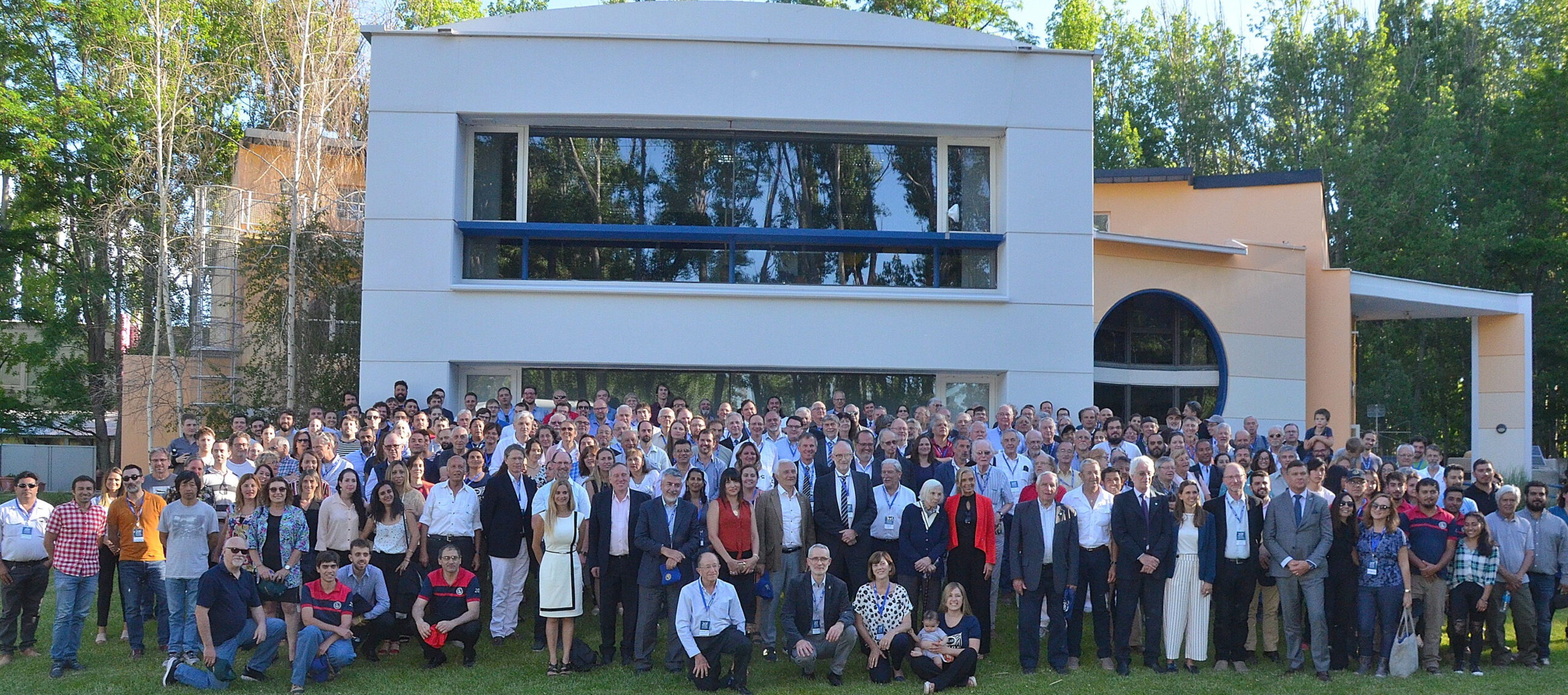
In November 2019 about 300 scientists and guests from all over the world celebrated the 20th anniversary of the Pierre Auger Observatory with a ceremony and a scientific symposium at the site of the Observatory in Argentina. The Pierre Auger Observatory has been built to study ultra-high energy cosmic rays, particles of the highest energies ever observed.
The participants of the celebration lined up in front of the main building of the observatory for a group picture (photo: Miguel Martin).
Ultra-High Energy Cosmic-Rays
Cosmic-rays are charged particles constantly bombarding the Earth and are one of the cosmic messengers that help us understand our Universe. At the highest energies, they are not much deflected by the Galactic and extragalactic magnetic fields, opening up the possibility of a new window in astronomy, the observation of the near-by Universe with charged-particles. The goal of the Pierre Auger Observatory is to study the nature and origin of those ultra-high energy cosmic rays, whose energy exceeds more than 100,000 times the energy that can be achieved in man-made accelerators.
The Pierre Auger Observatory
The Pierre Auger Observatory was conceived by Jim Cronin, Alan Watson and other scientists in 1991 to address the mysteries of the origin and nature of the highest-energy cosmic rays. It was clear to them that only a very large detector would reach the exposure to collect enough events to answer the questions raised by a century of earlier experiments. The Observatory design employs a „hybrid“ detector system consisting of a 3000 km2 array of 1660 particle detectors overlooked by 27 optical telescopes. These complementary detector techniques record both the particles and the faint fluorescence light resulting from the gigantic particle cascade initiated in the atmosphere by these mysterious cosmic rays. Soon after the foundation in 1999, construction of the Observatory started and was completed in 2008.
20th Anniversary
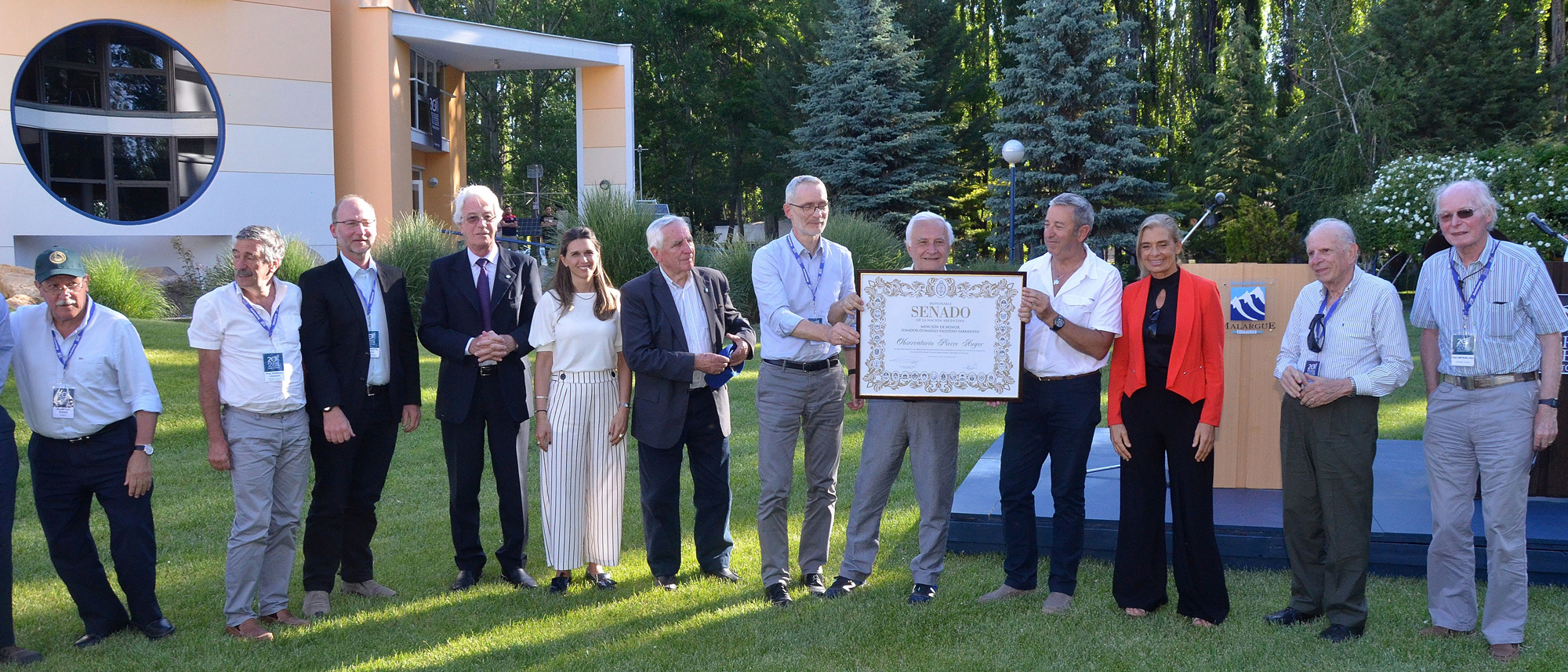
f.l.t.r.: Roberto Rivarola (Member of Board of Directors of CONICET), Fernando Ferroni (Chair of Finance Board), Ingo Allekotte (Bariloche, Project Manager Pierre Auger Observatory), Jorge Vergara Martínez (Mayor of Malargüe), Paula Nahirñak (Sub-secretary of State in Secretariat for Science and Technology), Osvaldo Calzetta (President CNEA), Ralph Engel (KIT, Spokesperson Pierre Auger Observatory), Alberto Etchegoyen (CNEA, Site Spokesperson), Julio Cobos (National Senator for the Province of Mendoza), Laura Montero (Vice-governor of the Province of Mendoza), Ernesto Maqueda (CNEA), Alan Watson (former Spokesperson Pierre Auger Observatory) (photo: Miguel Martin)
Scientists of the 90 participating institutes and groups, as well as representatives of all 17 member states of the international collaboration met in Malargüe, Argentina in mid-November to celebrate the 20th anniversary of the experiment as well as the scientific results achieved so far. A scientific symposium opened the festivities and highlighted the state of research. On the second day, the participants visited the detectors of the Observatory in the Argentine Pampa. Many of the scientists and guests participated also in the parade for the anniversary of the city of Malargüe. The meeting continued with a ceremonial act at the campus of the Observatory. Venerable members of the collaboration as well as representatives of funding agencies and local politicians addressed the audience and congratulated the collaboration not only on the scientific successes, but also on the social relevance and impact of the project in the province of Mendoza. One highlight of the ceremony was the conferral of the status “Honorable Senator” to the Pierre Auger Observatory by the Senate of Argentina. After unveiling a sculpture by Juan Pezzani symbolizing the role of the Pierre Auger Observatory in Argentina, the meeting concluded with a dinner banquet with typical Argentine barbecue and wine.
A Bright Future
Spurred by the science results obtained so far, the Observatory is currently undergoing an upgrade („AugerPrime“), mostly aimed at improving the sensitivity of the observatory to the particle type and mass of ultra-high energy cosmic rays. This is done by installing new electronics, and additional and complementary detectors, allowing for a better separation of the type of the incoming particle on an event-by-event basis. The added observables are critical to select the subset of particle cascades that were produced most likely by lighter primary cosmic rays, which in turn may hold the key to identifying and studying the cosmic accelerators outside our own galaxy. More generally, the data collected with AugerPrime will also be used to explore fundamental particle physics at energies beyond those accessible at terrestrial accelerators, and perhaps yield the observation of new physics phenomena.
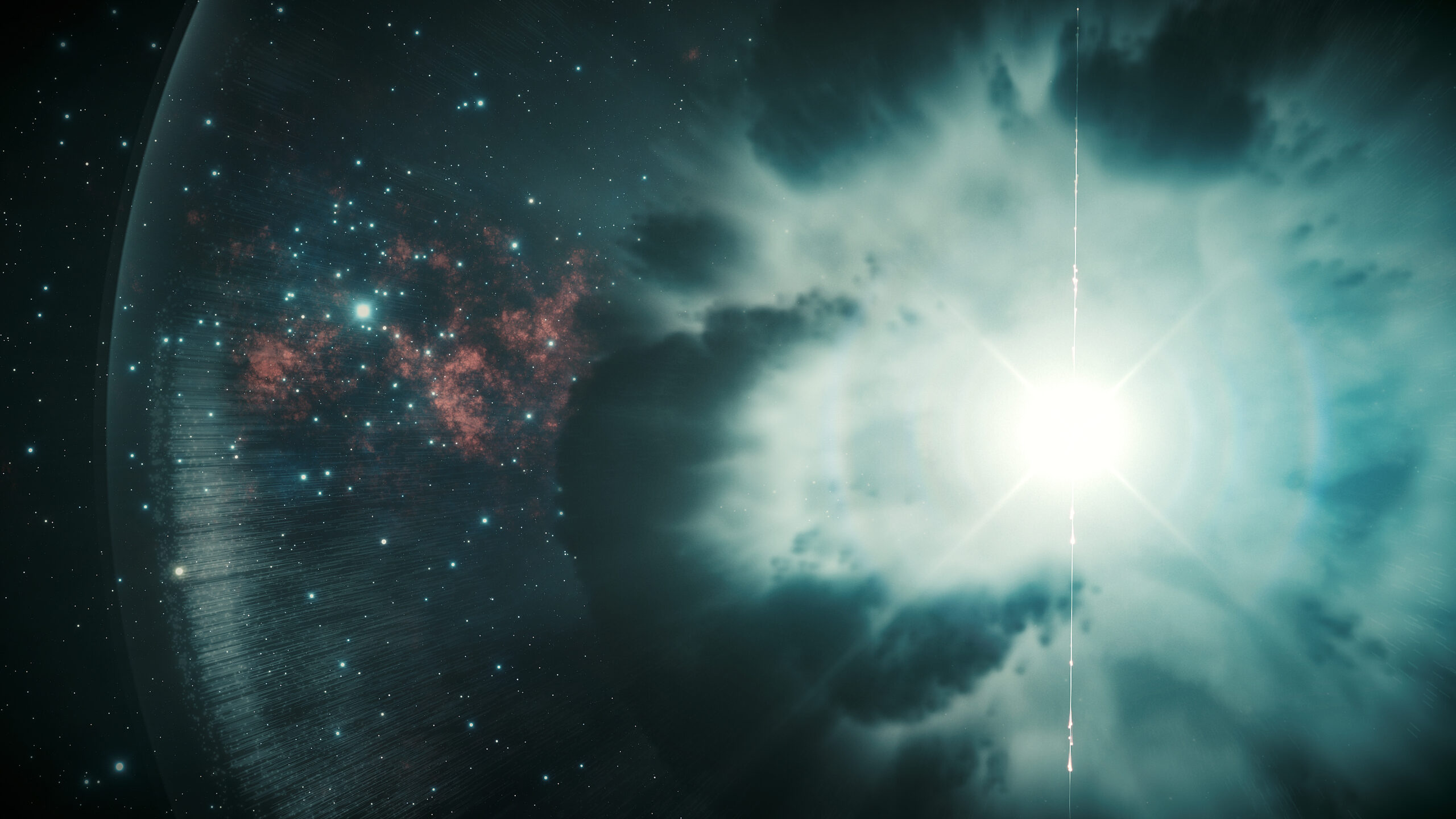
Gamma-ray bursts can be triggered by the explosion of a dying, super massive star, collapsing into a black hole. From the vicinity of the black hole, powerful jets shoot in opposite directions into space, accelerating electrically charged particles, which in turn interact with magnetic fields and radiation to produce gamma rays. Credit: DESY, Science Communication Lab
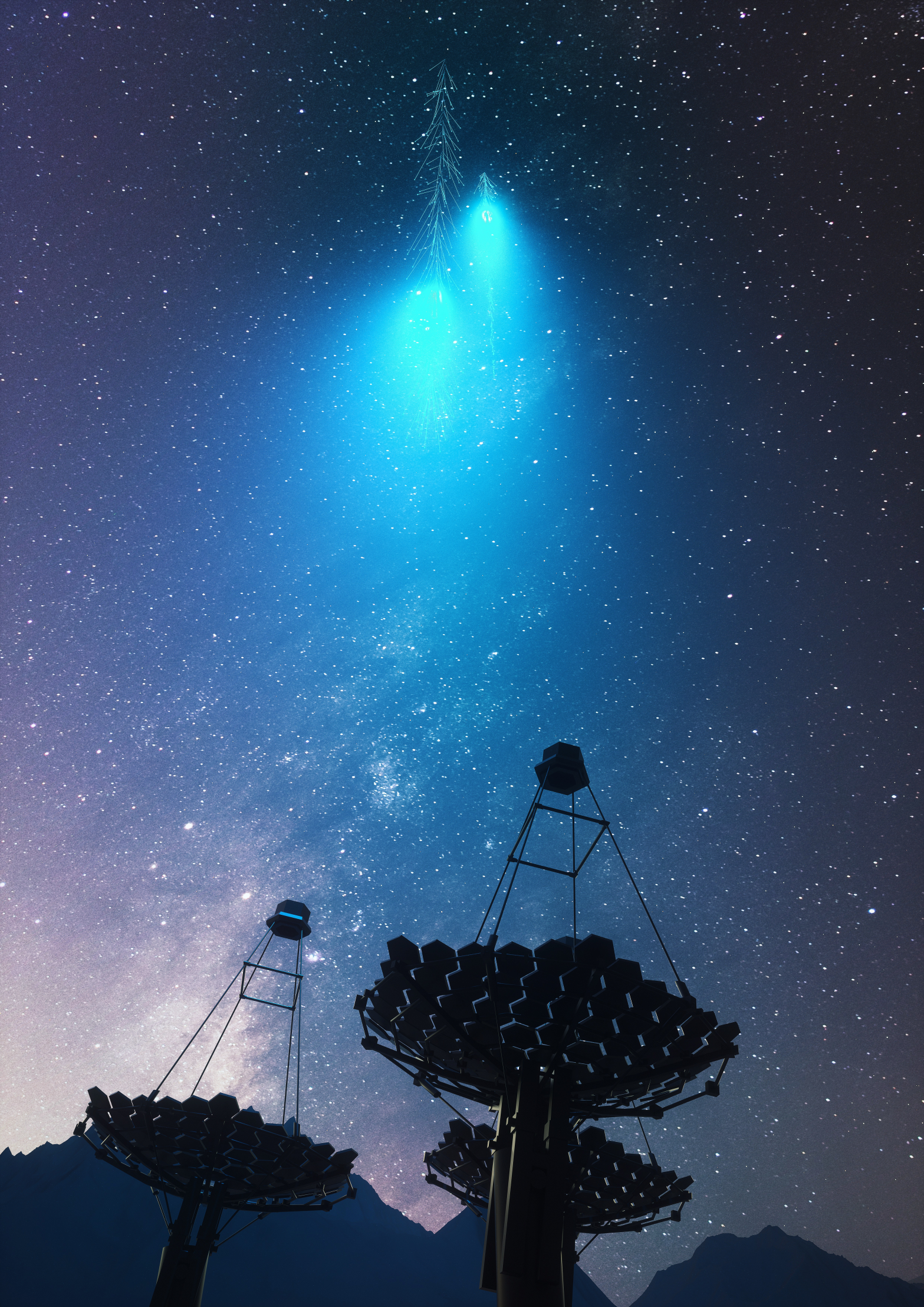
Gamma-ray bursts (GRBs) are sudden, short bursts of gamma radiation happening about once a day somewhere in the visible universe. According to current knowledge, they originate from colliding neutron stars or from supernova explosions of giant suns collapsing into a black hole. Since their discovery in the 1960s astronomers have been studying GRBs with satellites, as Earth’s atmosphere very effectively absorbs gamma rays. Astronomers have developed specialised telescopes that can observe a faint blue glow called Cherenkov light that cosmic gamma rays induce in the atmosphere, but these instruments are only sensitive to gamma rays with very high energies. Unfortunately, the brightness of GRBs falls steeply with increasing energy. Cherenkov telescopes have identified many sources of cosmic gamma rays at very high energies, but no GRBs to date. Satellites, on the other hand, have much too small detectors to be sensitive to the low brightness of gamma-ray bursts at very high-energies. So, it was effectively unknown, if these explosions emit gamma rays also in the very high-energy regime.
Cherenkov telescopes detect the bluish Cherenkov light generated by faster-than-light particles in Earth’s atmosphere, produced by cosmic gamma rays. Credit: DESY, Science Communication Lab
Between summer 2018 and January 2019, two international teams of astronomers, detected gamma rays from two GRB events for the first time from the ground. On 20 July 2018, faint afterglow emission of GRB 180720B in the gamma-ray regime was observed with the High-Energy Stereoscopic System (H.E.S.S.) in Namibia. On 14 January 2019, bright early emission from GRB 190114C was detected by the Major Atmospheric Gamma Imaging Cherenkov (MAGIC) telescopes on La Palma, and immediately announced to the astronomical community.
MAGIC registered gamma-rays with energies between 200 and 1000 giga-electron volts (GeV). The rapid discovery, only 60 seconds after the alarm was received, allowed to quickly alert the entire observational astronomy community. As a result, more than twenty different telescopes had a deeper look at the target. This allowed to pinpoint the details of the physical mechanism responsible for the highest energy emission, as described in a paper led by the MAGIC collaboration. Follow-up observations placed GRB 190114C at a distance of more than four billion light years.
GRB 180720B, at a distance of six billion light years even further away, could still be detected in gamma rays at energies between 100 and 440 GeV after the initial blast. The H.E.S.S. detection came quite unexpected, as gamma-ray bursts are fading fast, leaving behind an afterglow which can be seen for hours to days across many wavelengths from radio to X-rays, but had never been detected in very high-energy gamma rays before. This success is also due to an improved follow-up strategy in which observations at later times after the actual star collapse are conducted.
The detection of gamma-ray bursts at very high energies provides important new insights into the gigantic explosions. To explain how the observed very high-energy gamma rays are generated is challenging and will require more detailed theoretical modelling and measurements of more GRBs in very-high-energy gamma rays. These two groundbreaking observations have established GRBs as sources for terrestrial gamma-ray telescopes and has the potential to significantly advance our understanding of these violent phenomena. The scientists estimate that up to ten such events per year can be observed with the planned Cherenkov Telescope Array (CTA), the next generation gamma-ray observatory. The CTA will consist of more than 100 individual telescopes of three types that will be built at two locations in the northern and southern hemispheres. CTA observations are expected to start in 2023.
The full press release from DESY is available here.
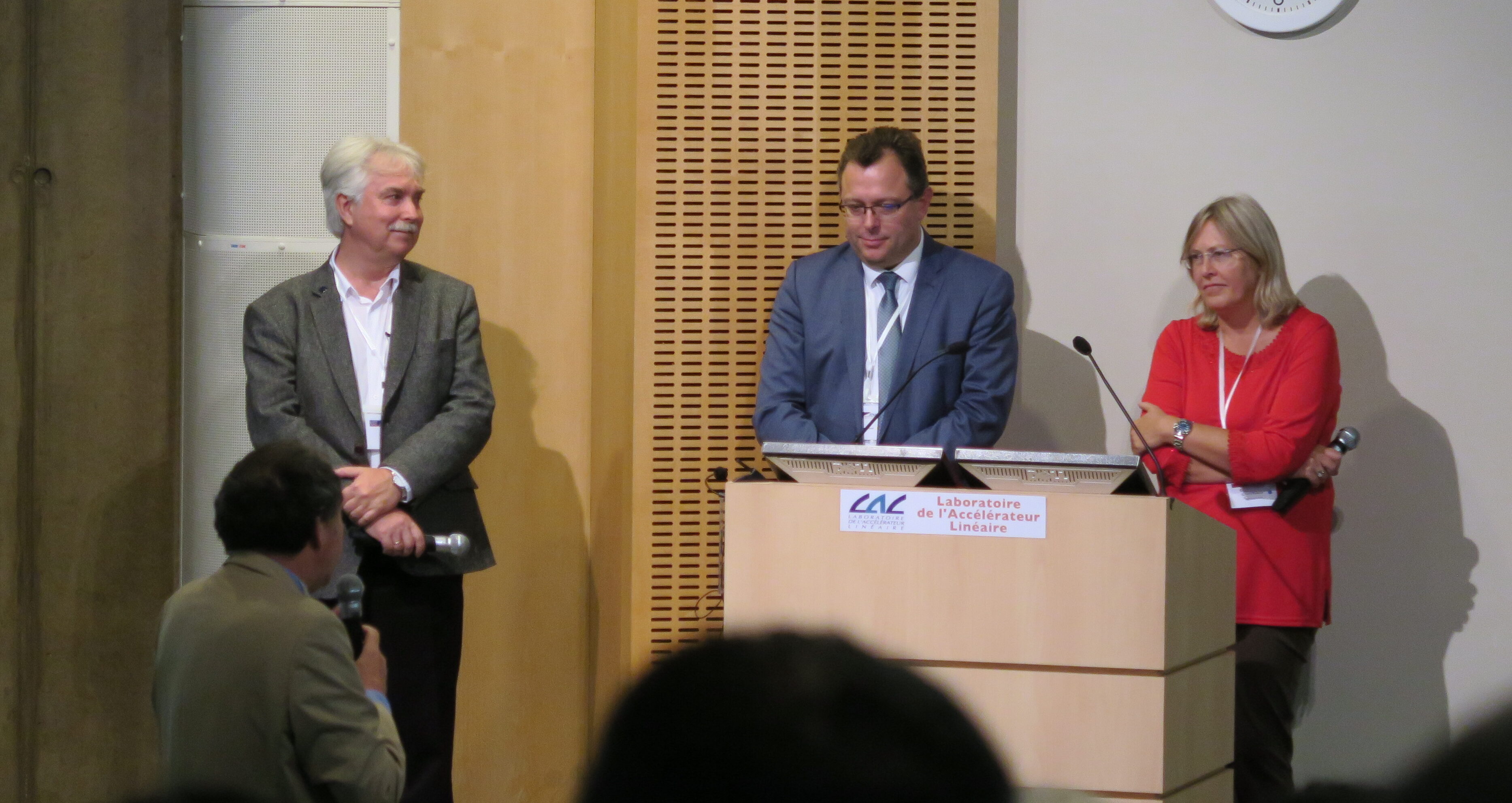
The first JENAS, Joint ECFA (European Committee for Future Accelerators)-NuPECC (Nuclear Physics European Collaboration Committee)-APPEC (AstroParticle Physics European Consortium) Seminar, attracted 230 participants resulting in a full auditorium at the Laboratoire de l’Accélérateur Linéaire (LAL) in Orsay. Beyond the regular information exchange across the three European committees, the importance is recognized to reinforce their interdisciplinary links. For three days senior and junior members of the astroparticle, nuclear and particle physics communities presented their overlapping challenges. Together they have a strong aspiration to explore nature with a view to understand both the smallest and the largest structures. On the technology front they seek to make visible the invisible at these extremes, and these successes are transformed into opportunities at the human scale for amongst others health, energy and safety. Readout electronics, Silicon Photomultipliers, Big Data computing and Artificial Intelligence for analysis are only some examples of developments essential for our research. Related to the quest of unravelling new insights in fundamental physics, coverage is required from all three fields in order to address the dark matter problem, the neutrino sector and the physics with gravitational waves. In presentations on organizational matters related to education, outreach, open science and software as well as careers, synergies are clearly identifiable. At the occasion of this meeting a Diversity Charter has been launched by APPEC, ECFA and NuPECC. From a survey among the seminar participants the diversity aspects will be analyzed together with those from other conferences and events organized by the three communities.
Marek Lewitowicz (NuPECC), Jorgen D’Hondt (ECFA) and Teresa Montaruli (APPEC)
The JENAS2019 event, which was jointly organized by LAL-Orsay, IPN-Orsay, CSNSM-Orsay, IRFU-Saclay and LPNHE-Paris, allowed astroparticle, nuclear and particle physics researchers to sniffle into each other’s activities. The identified challenges can transform via joint programs into opportunities to deepen our understanding of physics. Being informed by the presentations and discussions and with a view to further explore topical synergies between the disciplines, in the closing remarks a call has been issued for novel Expressions-of-Interest. Bottom-up and community thoughts can be submitted to the chairs of the three committees/consortia for further discussion within APPEC, ECFA and NuPECC. Thoughts revolving around potential synergies in technology, physics, organization and/or applications are welcome. The letters should elaborate on the synergy topic, the objectives, the initial thoughts and the potential communities involved. These letters are not the end of the process, but potentially the start of further communications on the expressed interest. APPEC, ECFA and NuPECC will discuss and propose actions to pursue your thoughts with a view to the next JENAS event in two years.
Website: https://jenas-2019.lal.in2p3.fr
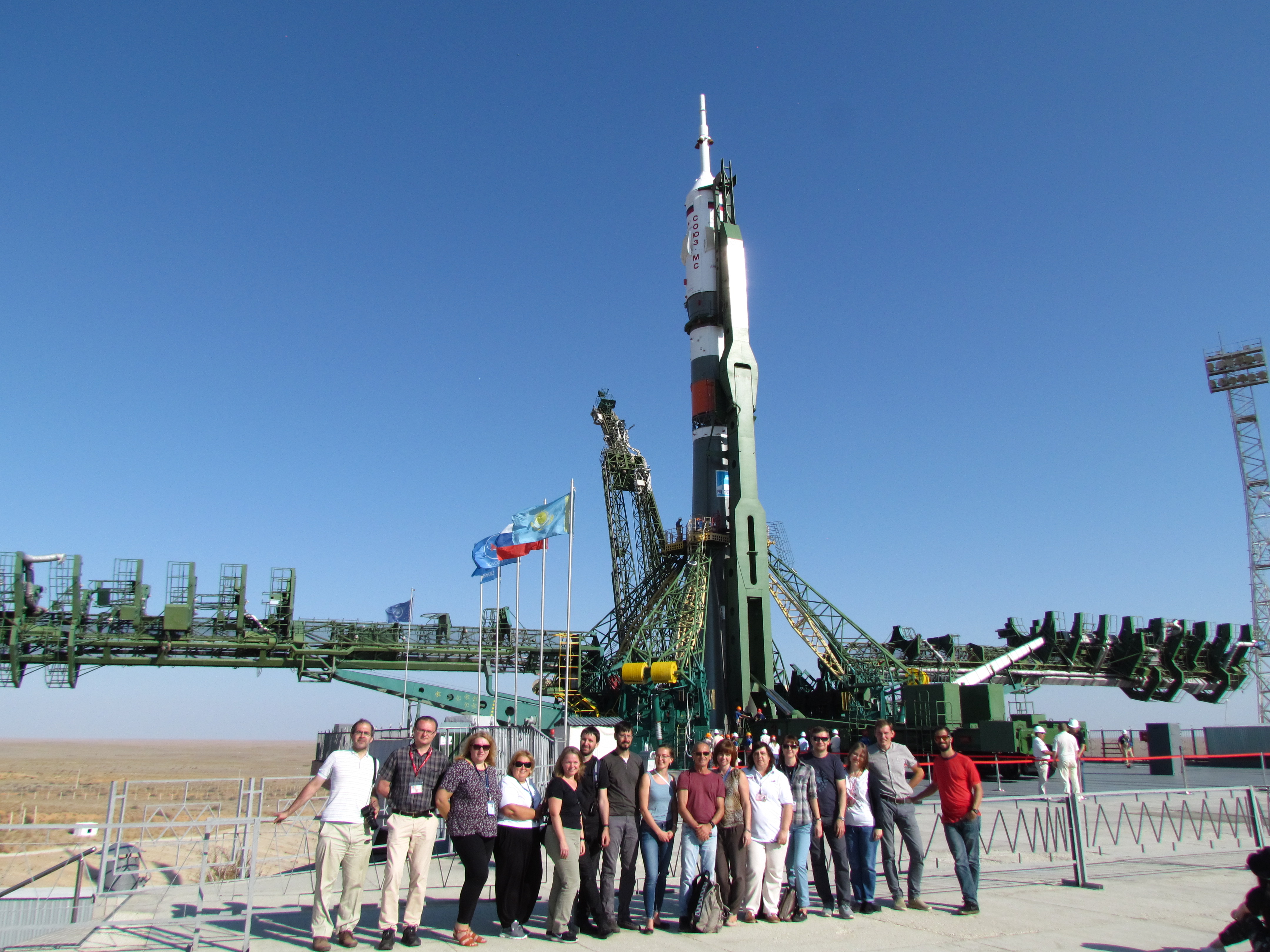
Before the launch at the Baikonur Cosmodrome. (Credits: Mini-EUSO)
On August 27th Mini-EUSO has been launched from the Baikonur cosmodrome and docked to ISS on August 27.
Mini-EUSO is part of the JEM-EUSO program. JEM-EUSO is a new type of observatory to be attached at the International Space Station or orbiting as a free flyer, based on a UV very large telescope, which uses the whole Earth as detector. It will observe, from an altitude of several hundreds of km, the fluorescence tracks produced at (330-400) nm by Extensive Air Showers (EAS) originated by UHE primaries which traverse the Earth’s atmosphere at ultra-relativistic speed.
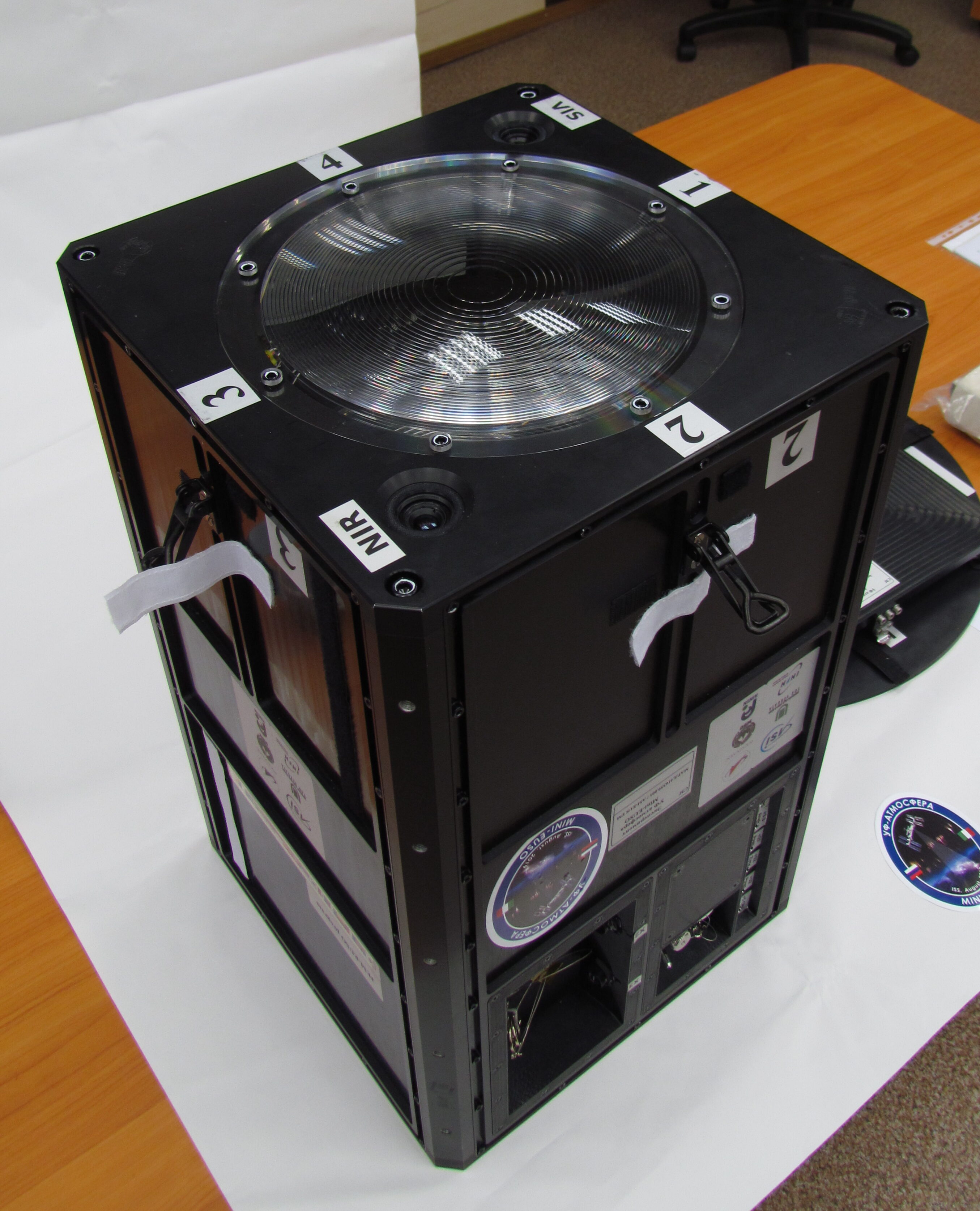
Mini-EUSO flight model. (Credits: Mini-EUSO)
Mini-EUSO (Multiwavelength Imaging) is a next-generation telescope for the study and monitoring of terrestrial, atmospheric and cosmic emissions in Ultraviolet (UV). The instrument (37 * 37 * 62 cm3), is an ultra-fast video camera (400 thousand frames per second, 2.5 microsecond/frame), capable of single photon detection on each of the 2304 pixels of the focal surface. The optics is based on Fresnel lenses with 25 cm diameter. The thin and compact construction of the lenses is particularly suitable for space-borne detectors. The field of view on the ground is 40 degrees, corresponding to 260 * 260 km2 on the surface of our planet. With the continuous acquisition of data we can therefore – for the first time – create a dynamic map of nocturnal emissions of ultraviolet in the earth. These measurements are completed by a near infrared and a visible camera.
Mini-EUSO will carry out the first ever night time observations of Earth’s atmosphere from space in the near-ultraviolet band from the UV transparent window in the Zvezda Russian module in the ISS, looking at Earth in a nadir position.
Scientific objectives include:
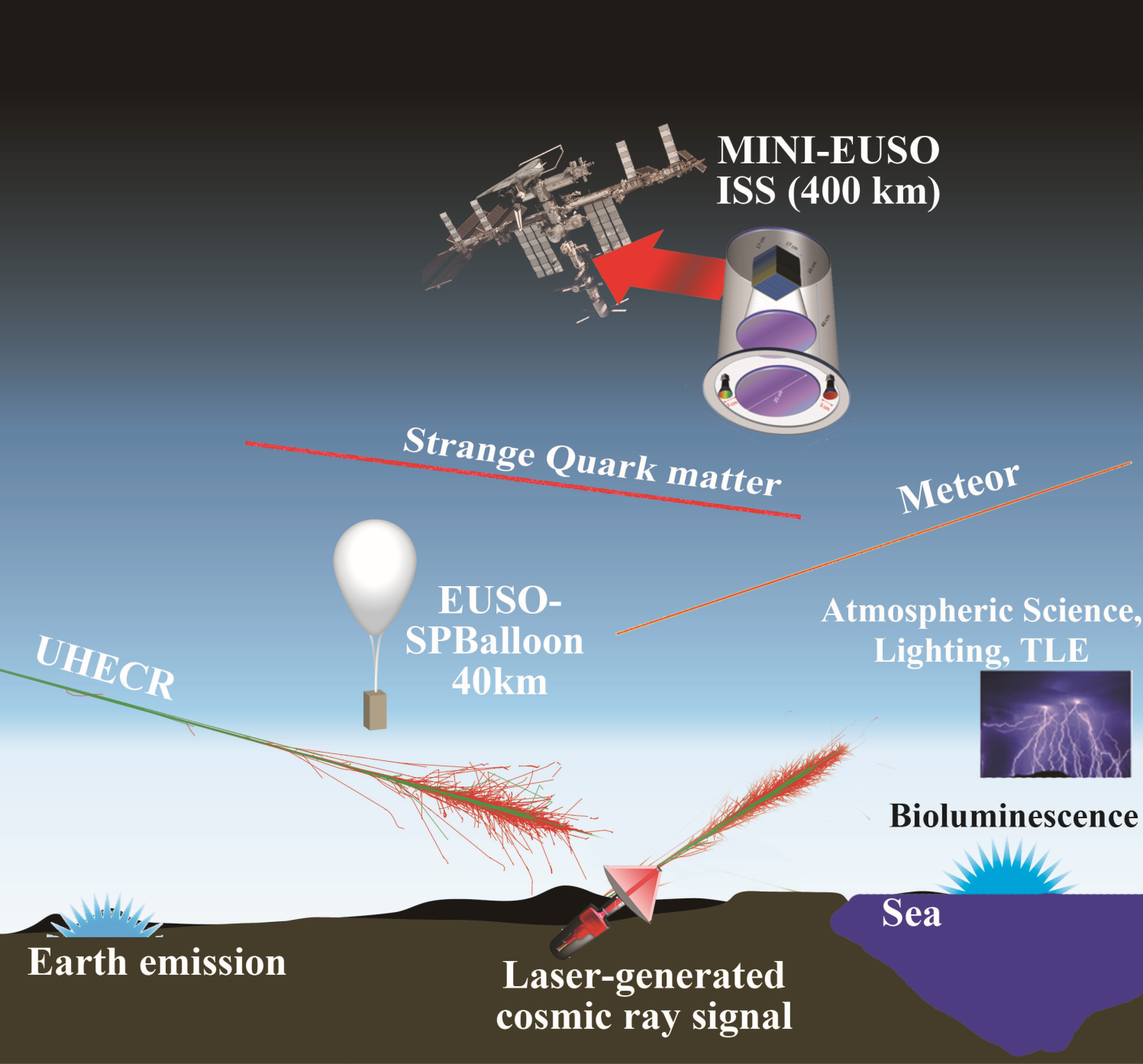
Scientific objectives of Mini-EUSO. (Credits: Mini-EUSO)
Realization of the first UV night map of the Earth with a resolution of a few km.
Detection and study of meteorites.
Search for quark strange matter. This hypothetical new state of matter could exist in quarks stars or at the center of neutron stars and reach the Earth in the form of interstellar meteorites. Due to their high density, these fragments of nuclear strange matter would appear as interstellar (220km/s) meteorites that burn for a long time in the atmosphere and with spectral emissions different from the classical meteorites.
Monitoring and tracking of space debris for the realization of future laser-based removal methods. This is part of a collaboration with Ecole Politecnique (Prof. Morou) to develop a road for debris mitigation using a CAN (Coherent amplification network) laser coupled with a EUSO-like detector to ablate debris in space
Search for Ultra-high-energy cosmic rays. Detection of artificial showers generated from the ground with UV laser (collaboration with USA/U Chicago and Colorado school of mines)
Study of marine bioluminescence and of the ‘milky sea’ phenomenon, generated by plankton.
Technological goals include:
First use of a refractive telescope based on Fresnel lenses in space
First use of a high sensitivity focal surface, capable of detecting a single photon, and related electronics resistant to the space environment
This type of technologies have applications ranging from the creation of new and larger spatial telescopes such as EUSO, for the study of fundamental physics phenomena in space to practical applications related to the new type of optics and detectors in space (solar energy concentrators, removal of space debris, monitoring of land and pollution …)
The apparatus is made by an international collaboration of 16 nations, in the framework of an agreement between the Italian and Russian space agencies.
Among the contributions we mention (in random order): Japan/Riken Lens and Photomultipliers; France/APC: Integration of focal surface, front-end electronic (with Omega team of Ecole Politechnique), Italy/INFN-University of Rome Tor Vergata: CPU, mechanics, ancillary detectors, integration and qualification, Sweden/KTH: acquisition software, Lodz University /Poland: High Voltage power supply.
In Italy the University of Rome Tor Vergata and the National Institute of Nuclear Physics coordinate the work of a team involving the Universities of Bari, Catania, Naples, Turin, the Uninettuno Telematic University and INAF.
M. Casolino, INFN / Università di Roma Tor Vergata / RIKEN
Mini-EUSO: A high resolution detector for the study of terrestrial and cosmic UV emission from the International Space Station: https://doi.org/10.1016/j.asr.2017.08.030



 The European Consortium for Astroparticle Theory (EuCAPT,

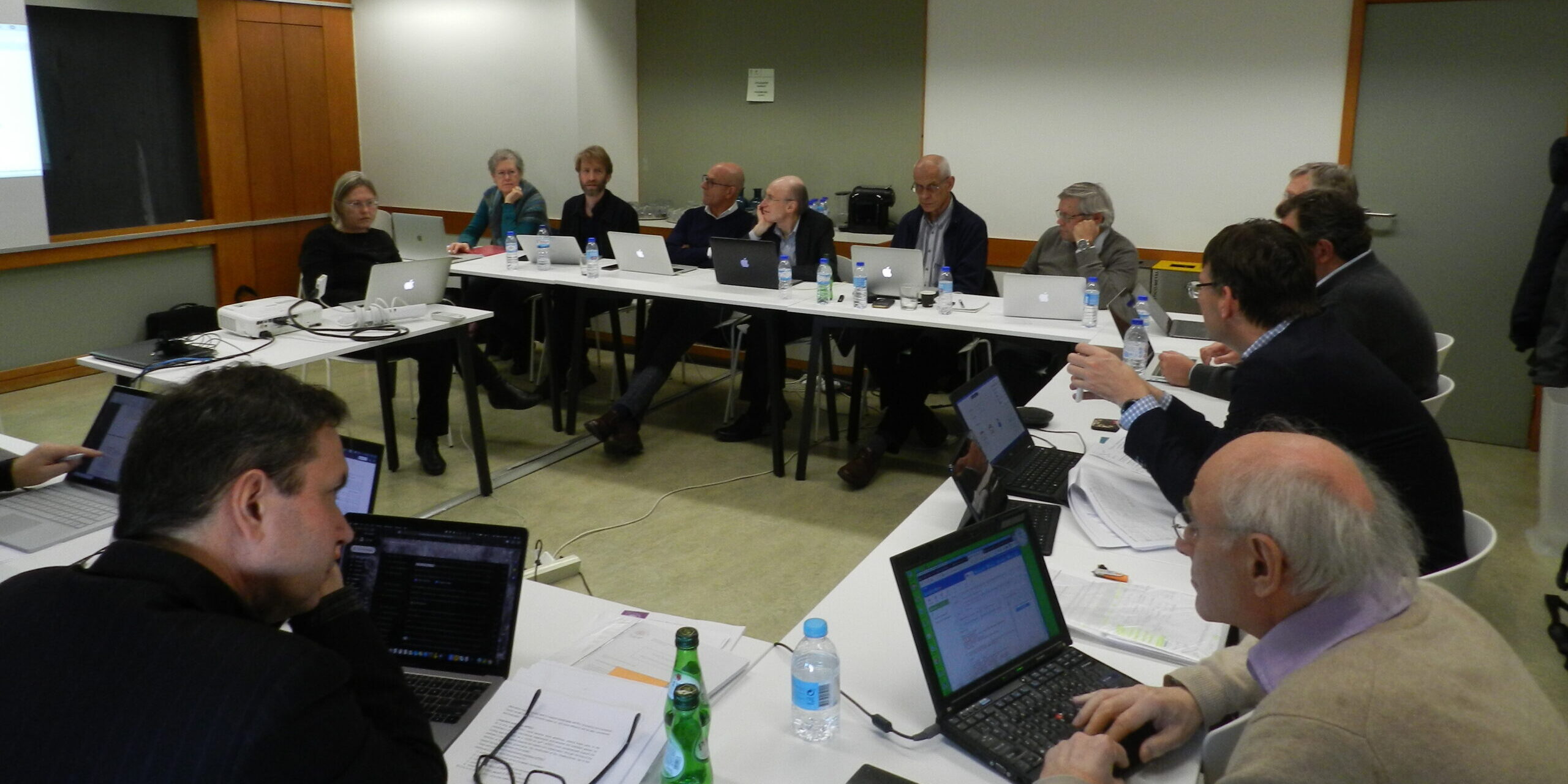

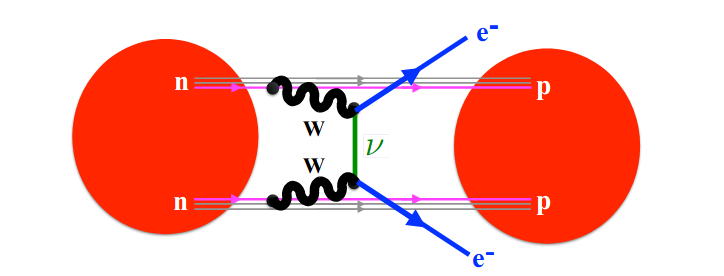 The APPEC General Assembly and the Scientific Advisory Committee (SAC) appointed a sub-committee to discuss the searches for the neutrinoless double beta decay and the future of the European programme. This sub-committee should advise APPEC on the European (and international) programme in double beta decay physics. It should report to the APPEC SAC, providing an assessment of the current and future scientific opportunities in double beta decay over the next 10 year period. In October this year, the sub-committee published their report on arXiv:
 Participants from France, Georgia, Greece, Italy, Morocco, South Africa, and Spain are invited to submit, before March 15h 2020, their best interpretation of a neutrino. The drawings can be realised using any technique or support (digital drawings are welcome) and will be judged based on their originality, the creativity demonstrated by the author and the harmony with the properties and origin of the neutrinos.